

Why I Finally Called It Quits With LinkedIn
It’s time to say goodbye to the most toxic social media platform.

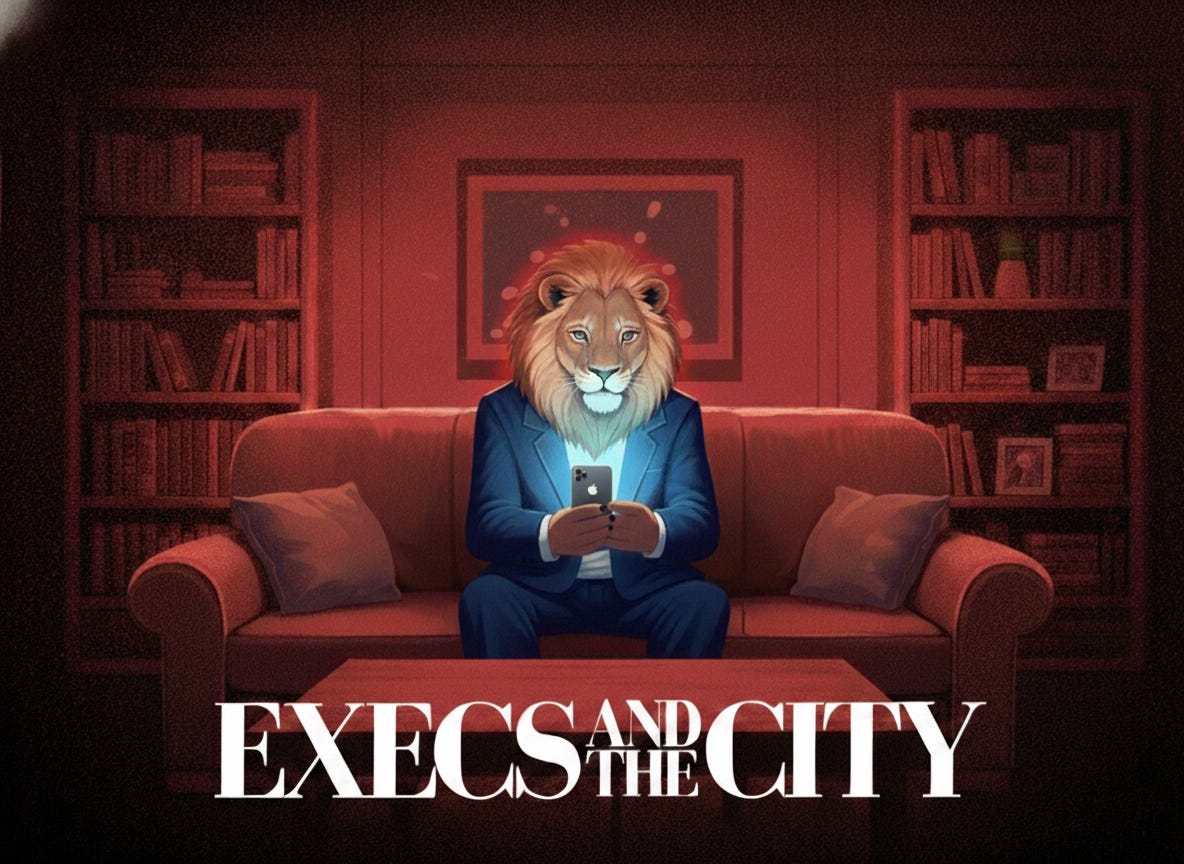
Yeah, I really went through with it.
Permanent LinkedIn delete.
I took a stand against the FOMO and digital dogpiling described by most as, “a necessary evil.”
Are we sure it’s necessary?
Why?
Why are we so quick to describe LinkedIn as evil?
There must be a good reason. And you and I both know it.
I signed up for LinkedIn back in 2008. I ran a blog on Wordpress that I coined Career Ambitions.
Yeah, I’ve always been that nerd.
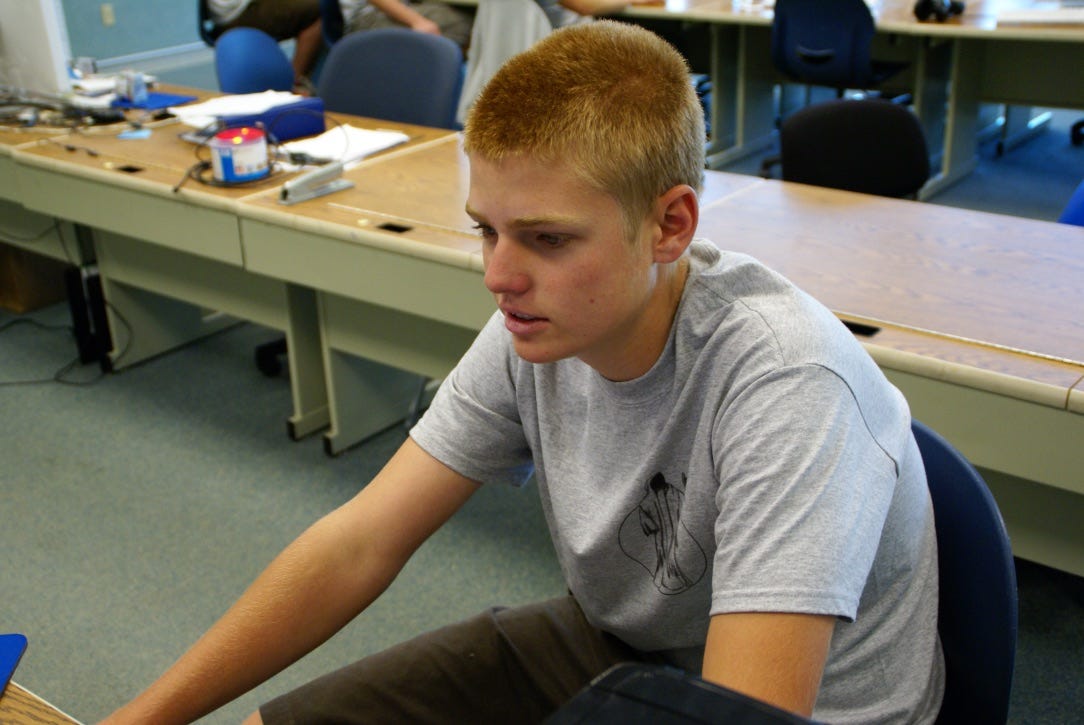
Photo of me on LinkedIn, blogging back in 2008.
Little did I know that my career ambitions would haunt the next 20 years of my life.
From 2008 to 2012, LinkedIn wasn’t a platform, it was a gold rush for a kid searching for meaning and direction. In those days, the “kid” ran social media because companies were told that they needed to be there, but weren’t really sure why.
I built my early career on that opportunity and “alignment.”
LinkedIn was part of the big 3 networks with Facebook and Twitter that corporate marketers would invest in. Snapchat, Pinterest and Instagram were still duking it out to see who would be the image dominant platform alongside them.
I spent my early 20s as a social media manager, then a content marketer, eventually climbing the ranks to VP of Marketing—all on the back of talking about it on the blue “In” icon.
For a kid who ran away from home, didn’t go to college, and worked graveyard shifts at Home Depot to get by, moving from $7.40 to $12 an hour to $35K a year — to $120K — to $250K in a 24 month period was absolutely mind blowing.
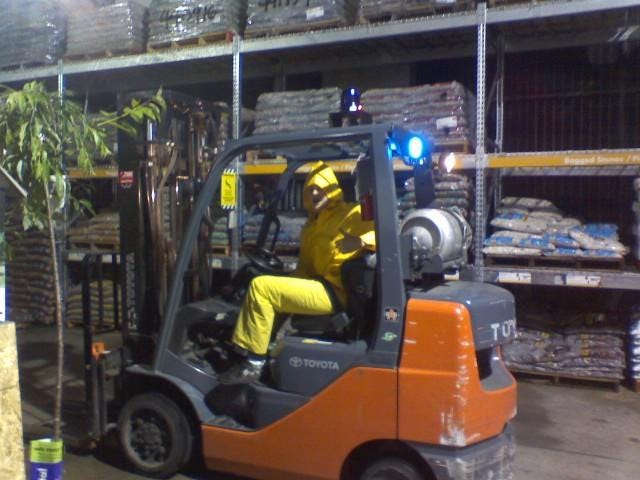
Me “forking around” at 2 or so AM at Home Depot in Auburn, California.
I was truly blessed to participate in the digital gold rush in Silicon Valley—and I give plenty of credit to timing and luck—although I look back at the wreckage with disdain.
Social media and publishing content pulled me out of the trenches of a white trash future—away from a world where the path was a 1/5th of liquor a night and a few bong rips—until I could afford something much stronger to dull the emotions.
In 2014 I took a contract social media and content role with Xerox which I negotiated to a Director of Marketing title with the VP.
I made the announcement on LinkedIn and within a week I was a 2015 Forbes 30 Under 30 finalist.
I had the most profile views of anyone at the company—outranking the others in the top 3—our CEO Ursula Burns and CMO John Kennedy.
Un-fricken-real.
That’s when I really started paying attention to the perception that LinkedIn can perpetuate—and others started paying attention too.
Again, just a kid reaching a few too many rungs up on the ladder, pacing with corporate giants—at least that’s how it was perceived because of LinkedIn.
In those days, the air was different. It felt like a genuine meritocracy—which is why my career was hyper accelerated with how public my work was.
You shared an insight, you connected with a leader, and doors opened.
It was a high-signal, high-trust, and high-reward platform.
LinkedIn was the foundation of everything I would eventually become.
By 2016, I had turned that obsession (and other’s interest in how some 12 year old looking kid found quasi-online fame) into my first real business with a P&L, employees, and equity considerations.
I launched Discover Podium—on LinkedIn of course.
The codependency and obsession grew concrete.
We scaled to over a million the first year—largely working the LinkedIn ecosystem.
But I have to be honest.
I wasn’t a victim of this system; I was one of its architects.
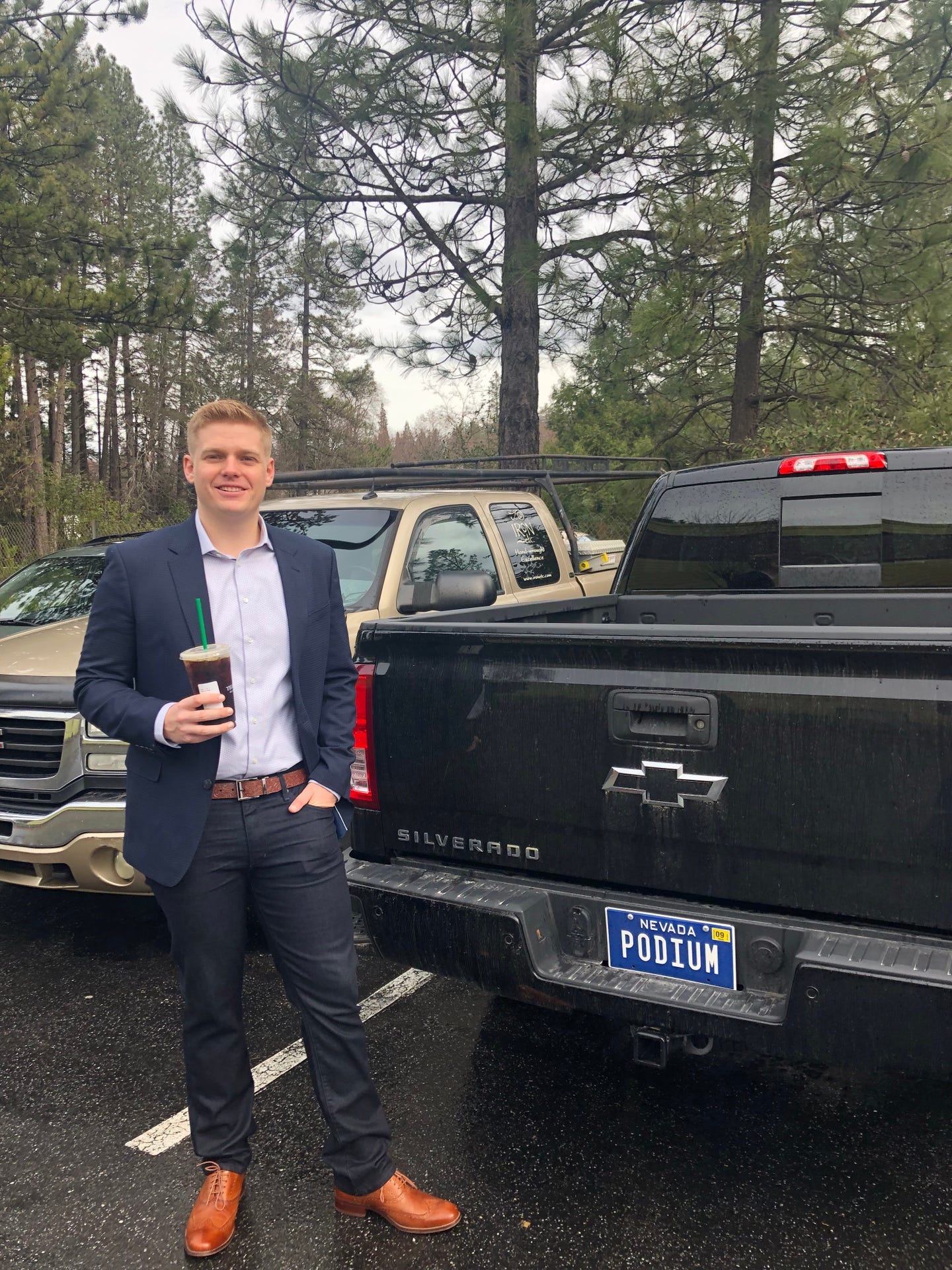
At Discover Podium, we didn’t just ‘polish’ the C-suite—we helped build the very ‘performative professionalism’ I’m now complaining about. We rewrote profiles, ghostwrote updates, and manufactured authority for leaders at Fortune 500 companies
We taught people how to hack the algorithm and prioritize ‘reach’ and we helped job seekers land faster by reverse engineering the LinkedIn Recruiter system.
We even acted as executive agents so senior leaders wouldn’t even have to get their hands dirty.
It’s one of the reasons that I tore the business apart instead of selling it in 2020. It felt gross and disingenuous—plus it was a workaholics hellscape.
I helped build the noise, and for that, I take my share of the blame.
Others wanted to have what I had—and I had seemingly had the formula.
But there was a hidden tax. I just didn’t see it when I was 27.
At the peak, I was personally closing $40K a week—which at the time could have been anywhere from 20-60 high velocity sales deals. I was leading a team of 25 people and building systems so the sales team could follow my performance.
And behind closed doors I was a prisoner to the system.
I remember the ritual.
I’d wake up at 3:00 AM to pee, and before I even hit the light switch, I was refreshing the LinkedIn ProFinder feed to send proposals and keep my calendar booked like a desperate BDR.
I was sifting through 250 leads a day in San Francisco alone—my team replicated the effort in New York, Seattle, Denver, Chicago, etc.
That meant I also set unfair expectations for their work as well.
If I didn’t refresh the screen with that familiar finger pop—if I didn’t hunt for those dollars in the dead of night—the machine didn’t eat.
My team wouldn’t get paid.
I did this for 5 years—let me repeat, 5 f*ck’n years—to keep my calendar locked down with 10-15 calls with senior leaders every day—and I cosplayed as the CEO between it all.
I struggle with an addictive personality. It’s a great strength and dangerous liability.
If you’re on the side of hustle culture, you may say, “HELL YA BRAH!”
If you’re on the side of balance, you might decry, “Lunatic.”
I bet that some of you reading this know precisely how it feels.
Through it all, I sold millions of dollars on LinkedIn. I built a following of 35,000 people. I spent nearly two decades treating LinkedIn as the center of my professional universe.
It’s provided for me and my family—and the many others that have worked for me.
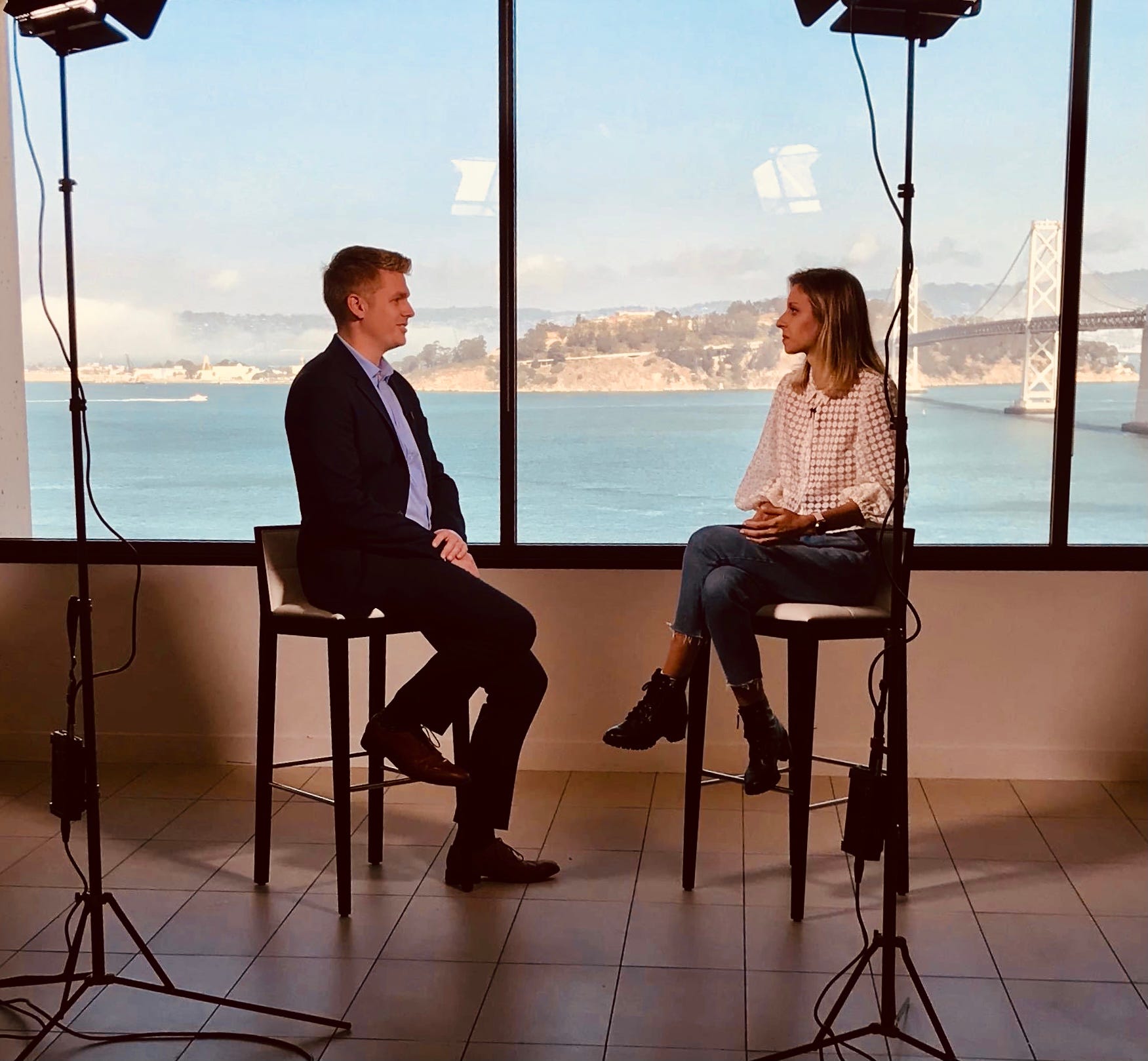
It also taxed the hell out of my central nervous system.
But the “heyday” of Linkedin is long behind us.
The tool that built my house has become the poison in the well.
I don’t share all this as a roundabout humble brag, I share this for context of how entwined my life has become with LinkedIn—and many of you are likely just as stuck for your own reasons.
Failure of the Feed
A few years ago, the data started telling me a story that didn’t bode well for keeping LinkedIn in my life. But I’ve been scared to take it seriously, because what if someone can’t find me?
I looked at my revenue for the last six years as a solo operator.
As I audited the sources of my revenue—the truth is that LinkedIn and professional communities contributed essentially nothing—while dominating about 80% of my energy.
My word-of-mouth referrals and direct relationships generate 10x the revenue of anything I’ve picked up on LinkedIn in the recent years.
My primary target audience—the leaders making a $1M to $5M+ W2 year—don’t spend their afternoons arguing in comment sections.
They don’t have time to “engage” with my latest poll.
They are busy leading the world. And I’ve found that many of them have PR firms running their accounts.
By staying on the platform, I was marketing to a crowd that was increasingly “low-fit” while ignoring the high-trust relationships that sustain my life.
Further, I’m inundated with noise or advice on how I should be—from people I’m not trying to attract.
I’m probably in the wrong room. But everyone is in the same room—right?
I’m not suggesting that I’m ungrateful or that I’m better than LinkedIn frequenters—I’m just suggesting that if you listen to the wrong signal, you become further distracted and confused about your purpose.
Since having children, I really don’t have time to be all things to all people—and expect to be the spiritual leader of my home, a loving husband, and role model for my boys.
But yes, if you cheapen my intent, it sounds like, “If you don’t make a million plus your opinion doesn’t matter to me.”
Honestly, run with this how you will.
The Low-Signal Trap
LinkedIn has become a feed where we perform “professionalism.”
It’s a middle-school cafeteria for people in suits, parody accounts built by trolls, and the highest level AI slop disguised as insight. I’ve heard that other platforms are like this too. That social media as we know it is done for.
Good riddance.
It’s easy for me to call it a ‘trap’ now that I’ve reached meaningful enough revenue to support my family and lifestyle without it.
I recognize the irony in criticizing a platform that gave a kid from Home Depot a voice.
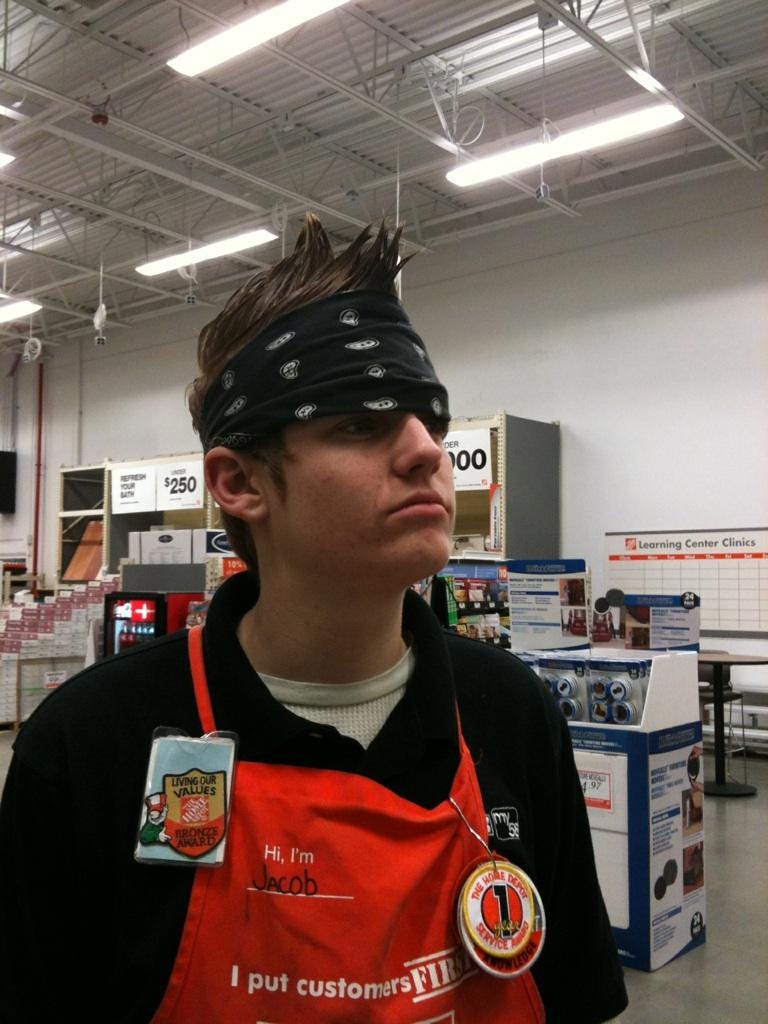
Yeah, that kid. Cringe.
For many, that ‘noise’ is the sound of opportunity.
My frustration isn’t with the people trying to find their way; it’s with the environment that forces them to perform a persona just to be seen.
And furthermore, it’s only becoming harder for them to be seen.
The “meritocracy” I found in 2008 has been replaced by a race to the bottom of the “Agree?” post.
The “noise” is now given the same volume as the “signal.”
Worse, the cost of participation has become an all-out assault on your peace of mind.
The algorithm rewards the contrarians and provocateurs—which has served me well—but you’re also broadcasting to swaths of people with hyper fragile egos and hairline triggers to scream their victimhood.
A single word—such as “mercenary” can inflame a counter-movement and devolve into mansplaining that spreads across LinkedIn, Slack communities, and Reddit—where digital dogpiling helps thousands of faceless anons feel empowered all while collectively waving their fists at absolutely nothing of importance.
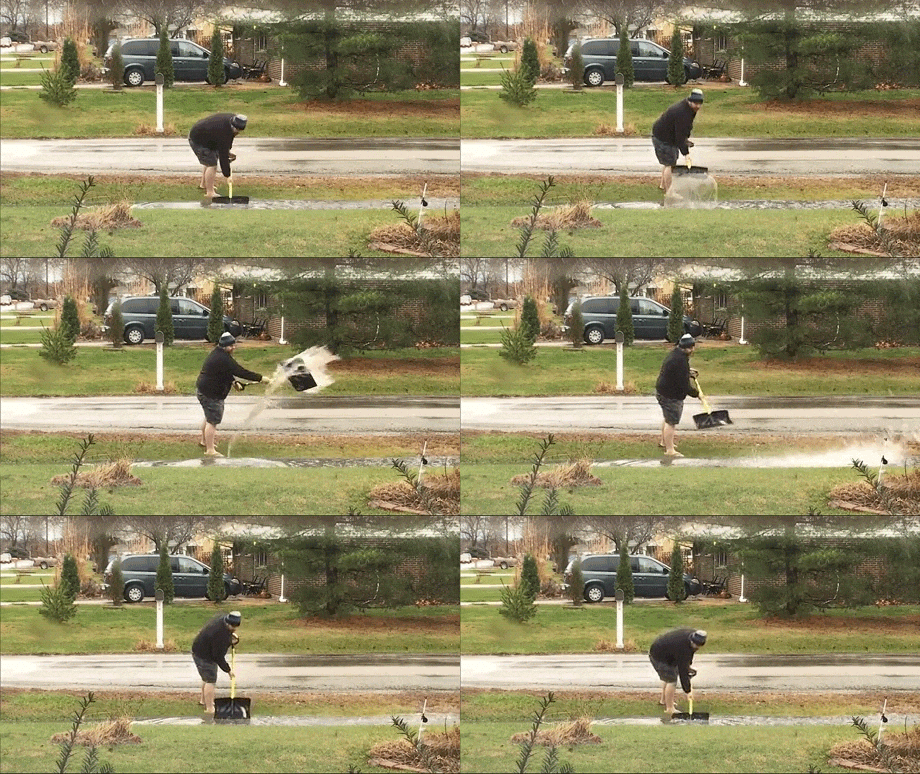
It is the “unhealthy” inverse of LinkedIn’s toxic positivity—a race to dehumanize.
These threads quickly devolve from critiquing a post or comment to dismantling a person, fueled by an “Outrage Loop” where users are rewarded for finding the most malicious interpretation possible.
How convenient.
What’s most jarring is that LinkedIn has begun to mirror the worst parts of Reddit—the digital dogpiling and the rush to ‘main-character’ someone for a few thousand likes.
But on LinkedIn, it’s happening without the veil of anonymity.
People are dismantling careers and reputations under their own names, often for the sake of performative virtue.
To me, that’s not just toxic; it’s dangerous.
We’ve turned a networking site into a surveillance state where the cost of being human is a public trial.
There’s no room for nuance, only performative cynicism, where the mob competes to see who can be the most “above it all” until they become just as insufferable as the people they’re mocking.
I’ve had my entire afternoon soured by mindless, snarky comments from 2nd and 3rd degree LinkedIn members multiple degrees removed from my ICP—folks who don’t know a lick about me or my mission.
And why?
Because I’m just as addicted, guilty, and tuned in as them.
On LinkedIn, their “hot take” is treated with the same weight as my life’s work.
And if you try to be human?
If you share a raw truth outside the “humbled and honored” script?
You risk being screenshotted, stripped of context, and fed to the wolves on r/LinkedInLunatics so a bunch of veiled critics on Reddit can feel superior for five minutes.
We’ve traded the boardroom for a digital coliseum.
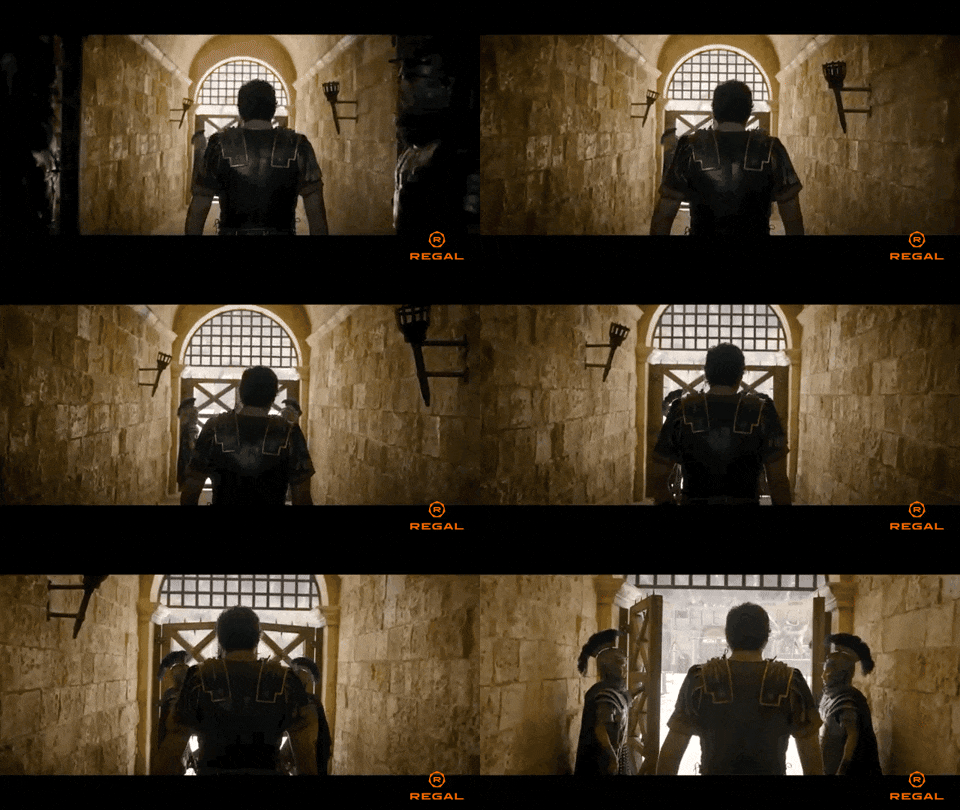
We have cheapened everything about our corporate experience to this. I’m simply opting out from getting mauled just to feed an algorithm.
To be clear, when I talk about ‘low-fit’ signals, I’m not talking about human value—I’m talking about focus.
I spent years chasing ‘likes’ from people who would never hire me, while too-often ignoring the deep work required for those who would.
I let my ego be fed by junk volume when my soul needed depth.
That’s a failure of my own strategy, not the fault of the people engaging with me.
The Trade I No Longer Make
My oldest son turned three on Tuesday.
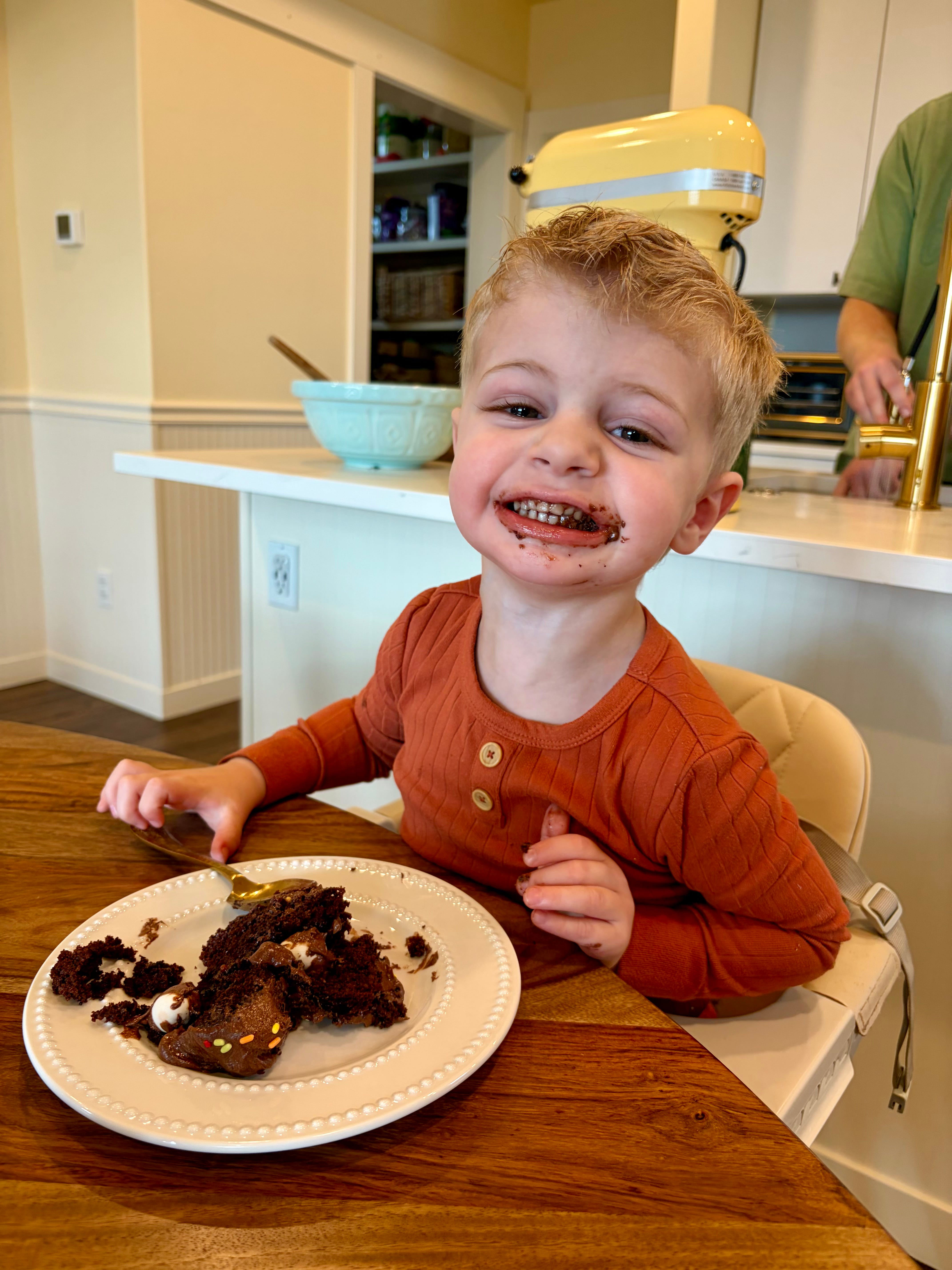
It hit me hard. Parents reading this know exactly what I mean.
I will never have the opportunity to play with my two-year-old again.
NEVER.
That version of him is gone.
His gravity defying baby curls have been replaced with bristly blonde little boy hair.
He’s not a baby. He’s a boy.
And soon he will be a man. What will he think about when he thinks of his father?
Will he remember my face at night, lit from blue light, wearing a frown because some anonymous nobody stole my attention from him?
Or will he remember that my eyes are green, that my face always lights up when I see him, and that my soul is lighter and full of love in his presence?
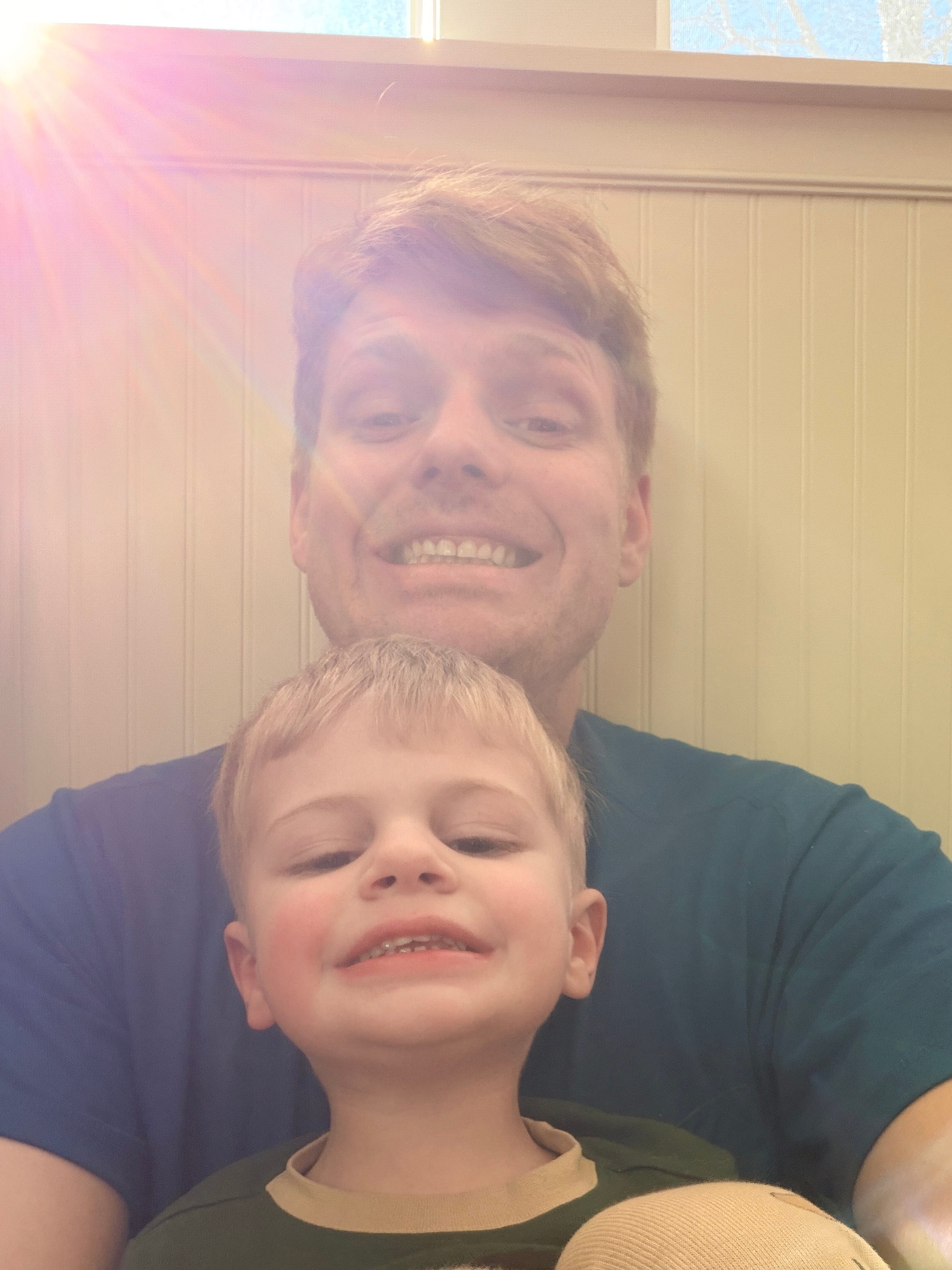
And looking back, I can see the moments I missed because I was mentally miles away—stuck in a digital argument with someone I’ll never meet.
Someone whose opinion of me only takes joy away from my family and provides nothing of substance.
Someone who is outraged for nothing.
I’ve spent too many evenings at 7:47 PM, when I should have been present and focused on my family, feeling the slow burn of “hate mail” in my gut.
It’s my boys’ bedtime routine—not the time to ruminate over some word choice I used on a throwaway comment that I didn’t triple check to make sure I didn’t trigger or offend another person.
I’ve allowed myself to get sidetracked by others who can take a single word or sentence of mine and turn it into their personal punching bag for the day.
Is that really the best use of your time? As an executive leader in title only?
I too often let people who don’t know my name, my family, or my story—dictate the mood of my home.
How weak have I become?
I used to think my ‘always-on’ nature was a competitive advantage.
It wasn’t.
It was a boundary issue.
I wasn’t ‘weak’ for being addicted; I was human, caught in a feedback loop designed by the smartest engineers on earth to keep me there. And some of which—ironically—I helped get hired at LinkedIn.
Reclaiming my attention isn’t just about deleting an app—it’s about admitting I can’t win a war against an algorithm while trying to be a present father.
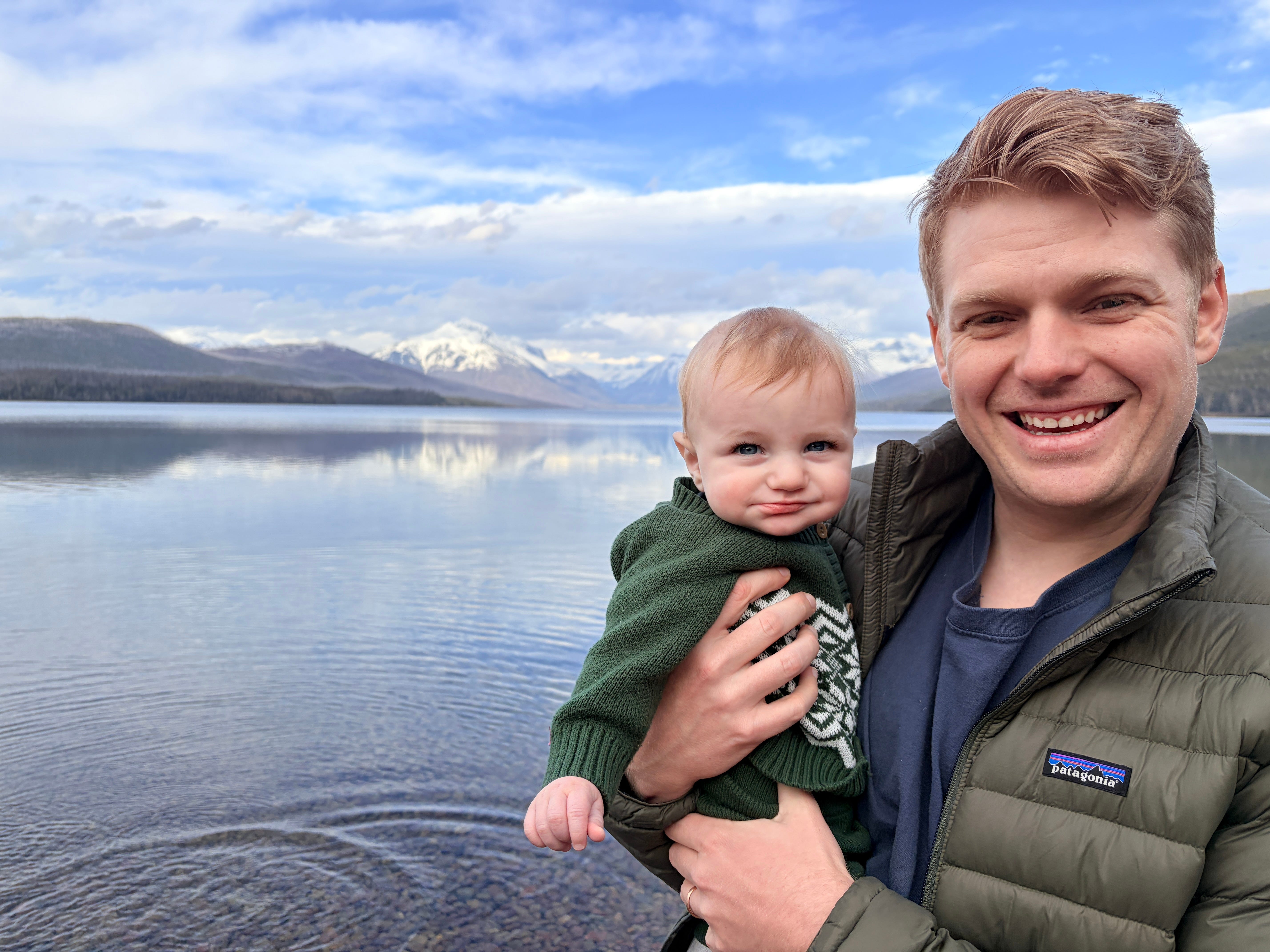
We talk about social media being “free,” but that’s a lie. We pay for it with our nervous systems.
We are the product that big tech monopolizes. But let’s keep throwing those dollars in the big tech ETFs and pretend to be surprised.
Necessary evil? Devil in disguise?
No, these demons are out in the open—they don’t need to hide anymore.
They’ve got us by the short and curlies—or the golden handcuffs if you prefer a less crass simile.
I’ve spent nearly two decades training my brain to be “on” at all times.
I thought it was a competitive advantage—and perhaps it was for a time.
I thought that being the guy who could catch a lead at 3:00 AM or deflect a troll at 8:00 PM was what made me successful.
It didn’t make me successful. It just made me tired.
It creates this constant, low-level static in the back of your head. You aren’t “checking” LinkedIn; you’re monitoring your status. You’re waiting for the next hit of validation or the next spark of conflict.
And while you’re monitoring that screen, you’re missing the real life happening three feet away from you.
Reclaiming the Signal
I’m a strategist, and I realize that I too often mismanage my most important asset: my attention.
The math doesn’t work.
I recognize the immense privilege in being able to hit ‘delete.’
For a freelancer starting out or a mid-career manager looking for a lifeline, the noise isn’t a nuisance—it’s a necessity. I’m not pathologizing the hustle; I’m simply admitting that I’ve reached a point where I can finally afford to stop shouting into the void, and I’m choosing to take it.
If 90% of my business comes from high-trust referrals and real-world relationships, why am I giving any of my mental energy to a feed full of noise and AI-generated “insights”?
I’ve realized that I don’t need “reach.” I need depth.
Funny enough, while being featured on LinkedIn Lunatics—I concurrently closed a deal that nets over a half a million in success fees within a dozen hours of highly tuned-in guidance.
It’s like God said, “Seriously? Can I make this anymore clear for you?”
I don’t share that number to flex, but to illustrate a strategic epiphany: the ‘clout’ and the ‘cash’ had become completely decoupled.
The digital coliseum is a distraction from the value I provide.
Maybe it is for many of you too.
That deal was the final proof I needed that my presence on the feed wasn’t load-bearing—it was just a vanity project that was costing me my sanity.
The people who matter most to my career have my phone number and I’m in frequent contact with them to remain enough top of mind.
They don’t need to see my “thought leadership” in their feed to know I deliver.
And the people who do need to see it are usually the ones making the most noise for the least amount of value.
I’m opting out of the “reach” game. I’m choosing to go where the signal is clear—my family, my actual clients, and my own peace of mind.
And for those of you making bets about when I get LinkedIn back—please give me a break.
Why do you hope I fail—even if in jest?
Does it make you feel better about your choices?
For those telling me to leave it on hibernate, simply uninstall LinkedIn from your phone, or just keep a landing page with the followers and all the clout—I can’t do that.
That’s like asking an alcoholic to put the poison on the top shelf.
I know how to get a ladder.
So I opted for permanent delete.
This Is Not a Recommendation
I am not telling you to follow me.
I’m not suggesting that you delete your profile or that LinkedIn can’t still be a tool for your career or business. I’m simply giving you the data on why I finally decided to cut the cord.
This was my math.
For me, the “Necessary Evil” was no longer necessary. It was just evil.
It’s been one week since I hit the button. My phone is quieter. Every other social channel is gone, too. No Instagram, no Twitter, no Facebook, no noise.
I am off grid.
The iMessage and email notifications continue at a hot pace—I can live with 2 channels for now.
And for the first time in twenty years, the “static” in my head is dissipating.
I’d be lying if I said it was gone or if I wasn’t nervous—check back with me in 6 months. If I write a “I regret everything I said about LinkedIn, please come follow me again” post, please recommend a good psychiatrist.
My son turned 3—and I didn’t check LinkedIn. Damn that feels good to say.
I’ll continue to write this newsletter because I believe in the long-form exchange of ideas. I believe in depth. But I am watching the horizon.
The difference here is the ‘contract.’
A newsletter is a handshake; a feed is a slot machine.
I’m trading an algorithm-driven ‘reach’ for an opt-in relationship. I’d rather speak to 500 people who want to be in the room than 35,000 who are just passing by the scene of a wreck.
If Substack eventually devolves into the same social contagion—if it becomes a place of performative outrage and “Agree?” threads—which I suspect it will—I will leave it behind too.
I will migrate this newsletter to a broadcast-only channel.
I have concerns with their notes feature. I have been playing with it—and it does trigger some AI slop and wildly inane nonsense—I may need to cut ties sooner than I’d hope.
I care about the people who are in the room with me.
I enjoy debate and criticism in good faith. I’m not looking for a gotcha moment to dismantle you publicly. And I do appreciate the redirections, considerations, and opportunities to learn from others.
I care about the results I deliver for my clients.
And I care about being the man my sons deserve to have as a father.
Plus, and I know new dads understand this, I need to find more time to care for my wife. We’re both so much in the trenches that it’s hard to find time for each other.

At least I can say, LinkedIn won’t be sapping what little time I have to share anymore.
I think we all fantasize about a more analog world again—perhaps it’s nostalgia—or perhaps we know we’re very well stuck in what we’ve created. The ultimate bait and switch to monetize our attention.
If you’re waiting for me to come back, don’t hold your breath.
I’m not looking for a ladder to get back to the poison. I’m not looking for an ‘NA’ alternative.
I’m walking away from the shelf entirely.
I’m not here to play the ‘reformed addict’ who judges everyone still at the bar.
If LinkedIn is a tool that works for you without costing you your peace, stay and win.
But for me, the relationship became purely transactional and emotionally expensive.
I’m not leaving because I’m ‘above’ the platform; I’m leaving because I no longer like who I am when I’m on it.
Stay Fearless
The world won’t end because you stop posting.
In fact, your real life might finally begin.
I’m going back to the work that matters most.
Ready to discuss your career? Book a strategy session.
Stay fearless, friends.
So many lines in this post where I was nodding along. I relate on so many levels, Jacob. The performative persona…gives me the ick. I stopped dancing for IG, performing for LI and just said f-off to FB. Deep down we just want real connection with ourselves and those around us. Thanks for saying the quiet part out loud. 💜
Passionate read. Spending more time being present with your kids and family is priceless. Time just keeps ticking.